 |
|
|||||||||||||||||||||||||||||||||||||||
|
Tynemouth Castle & Priory
Location OS Landranger sheet 88 NZ 371693 How to get there The castle is at the eastern end of Front street in Tynemouth. The views of the mouth of the Tyne from the Castle and Priory are first class and a visit is a must. The castle is in the administration of English Heritage click on first image for large view |
|||||||||||||||||||||||||||||||||||||||
 |
||||||||||||||||||||||||||||||||||||||||
 |
 |
|||||||||||||||||||||||||||||||||||||||
 |
 |
 |
||||||||||||||||||||||||||||||||||||||
 |
 |
 |
||||||||||||||||||||||||||||||||||||||
 |
 |
|||||||||||||||||||||||||||||||||||||||
 |
 |
|||||||||||||||||||||||||||||||||||||||
 |
||||||||||||||||||||||||||||||||||||||||
|
The Castle was built to protect the Priory
The Coastguard station for the area is shown behind the modern gun, that is, modern compared to the other cannon on site. Some pictures of the Priory |
||||||||||||||||||||||||||||||||||||||||
 |
||||||||||||||||||||||||||||||||||||||||
 |
||||||||||||||||||||||||||||||||||||||||
 |
 |
|||||||||||||||||||||||||||||||||||||||
 |
 |
|||||||||||||||||||||||||||||||||||||||
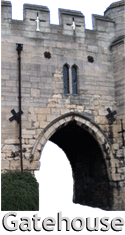 |
NZ 371693/Ruin/EH The site, usually described as a Castle, was constructed for the protection of the religious community, A monastery lay on this headland by the mid 6th Century and St. Oswin was buried here after his murder in 651 by Oswy, King of Bernica. Following plunder by the Danes in 800 the monks afterwards commenced to fortify the site and successfully repelled the attack of 832. The monastery however was plundered by the Danes again in both 865 and 870. The headland was later fortified by Tostig, Earl of Northumberland who was later killed in 1066 fighting against King Harold. The next Earl, Waltheof, gave the site to the church in 1075. It was known to be fortified in 1095 when it was captured from de Mowbray by William II after a siege lasting two months. It had periods of prosperity and impoverishment through the 13th Century. In 1296 Edward I granted the prior and convent a formal licence to crenellate and it was considered by Edward III to be one of the strongest fortresses of the Marches. It was regularly attacked by the Scots being taken by General Leslie then Earl of Leven in 1644. Much of the castle was demolished in 1665 by the then Governor, Colonel Edward Villiers, to build a new barracks, a lighthouse and a house for himself. By 1681 the castle had decayed and only had a “slender garrison”. It remained manned until the 20th century when it was handed over from the War Office for preservation. My thanks to Mike Salter of Folly Books for this historical information, Tynemouth Priory; Tiefort; Tynemuth |
|||||||||||||||||||||||||||||||||||||||